ServicesWindow Tint
Window Tint in Fair Oaks
We measure your factory glass, check any old film and find where the heat and glare are actually coming in before recommending a film. Then we install carbon or ceramic window tint at our shop so your cabin runs cooler and stays legal.
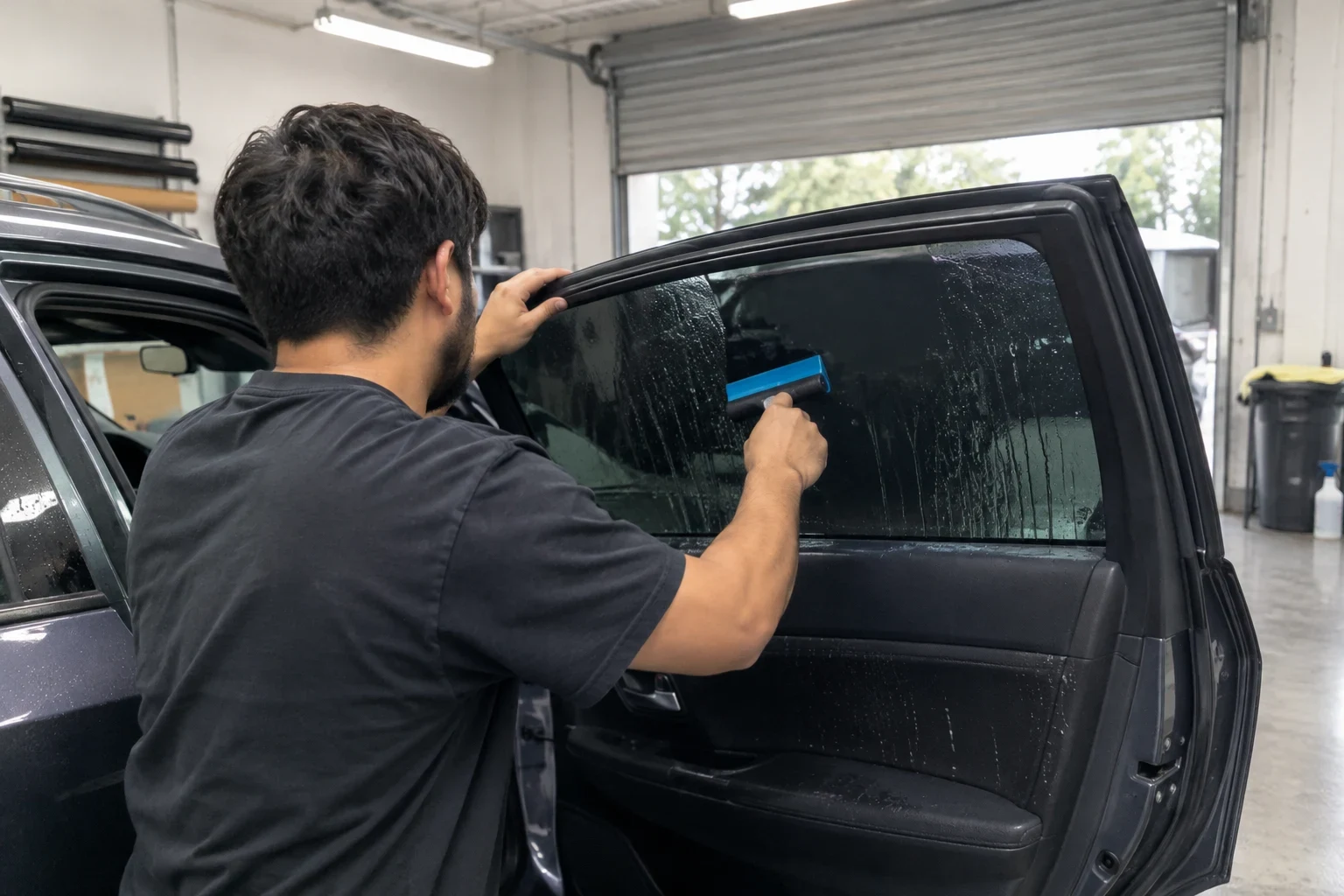
Tint Chosen From Measurements, Not Guesswork
The usual cause of a tint job gone wrong is a film that does not suit the glass under it. A lot of vehicles come from the factory with privacy glass in back and a light tint up front, so a shade that looks fine on a sample card can end up much darker once it stacks on top. Before we suggest anything, we put a meter on every window to read its visible light transmission, then pick the shade and film line that gets you where you want to be.
Darkness and heat are separate questions. A darker film cuts glare and adds privacy, but how much heat it rejects depends on what the film is made of. Ceramic film stops infrared energy even in a light shade, which is useful on the front door glass where California keeps tint limits tight. Our shop holds certifications from several tint, paint protection film and ceramic coating brands, and the films we install are the ones we have been trained to apply.
What a Window Tint Install Includes
- Glass and film inspection
- We meter each window and look for chips, delamination on old film and damaged defroster lines on the rear glass. You hear what we found before we quote.
- Old film removal
- Faded or bubbling film comes off with steam and careful scraping, then we clear the leftover adhesive. On the back glass we work slowly around the defroster grid so the lines keep working.
- Film selection by goal
- Carbon film gives a deep, non-reflective look and solid glare control. Ceramic and infrared ceramic films add stronger heat rejection and UV protection without interfering with phone, GPS or toll tag signals.
- Precision cut and heat-formed fit
- Patterns are cut to your vehicle's glass, and curved rear windows are heat-shrunk so the film lies flat with no fingers or creases. Edges are finished close to the glass line.
- Windshield sun strip
- A non-reflective strip across the top of the windshield cuts low-sun glare. We keep it within the legal band at the top of the glass.
Signs Your Car Needs New or First-Time Tint
Purple or brown film
Dyed films lose their dye under UV exposure and shift color. Once that happens they are blocking very little heat, and the change will not reverse.
Bubbles and lifting edges
Bubbles usually mean the adhesive has failed, not that the film was poorly applied last month. That film needs to come off rather than be patched.
Hot seats and a slow-cooling cabin
If the A/C takes most of your drive to catch up, untreated glass is letting in infrared heat. Ceramic film targets that directly.
Faded dash and upholstery
UV breaks down vinyl, leather and plastics over time. Quality window tint blocks nearly all of it, which slows cracking and fading.
Glare that tires your eyes
Low afternoon sun through side windows is more than a comfort issue. Reducing it makes the drive easier, especially on a long commute.
What Moves the Price of Window Tint
Two things set most of the price: how much glass your vehicle has and which film line you pick. Stripping old film is extra labor, and on a badly baked back glass it can take longer than the new install. Tell us the year, make and model on the phone, plus what is on the windows today, and we can work out your quote from there.
Film line
Carbon is the lower-cost option, ceramic costs more, and infrared ceramic is the top tier. What you pay for as you move up is heat rejection, not a darker shade.
Number and shape of windows
A coupe with two door windows and a back glass is a shorter job than an SUV with quarter windows and a deeply curved rear hatch that has to be heat-formed.
Old film removal
Film that has sat in the sun for years turns brittle, peels off in small flakes and leaves thick adhesive behind. Working slowly around the defroster lines on the rear glass adds time.
Add-ons
A sun strip across the top of the windshield or a full clear windshield film adds to the total. If rock chips worry you too, ask about windshield protection film when you call.
How Your Tint Appointment Runs
- 1
Consultation and metering
We talk through what you want, whether that is privacy, heat, glare or looks. Then we meter the glass and show you film samples against your windows.
- 2
Prep and removal
Door panels and seals are protected, old film is stripped if present, and the glass is cleaned and inspected for contamination that would show under the film.
- 3
Install
Film goes on with a slip solution and is squeegeed out from the center. Rear glass is formed with heat so it follows the curve of the window.
- 4
Final check and cure
We inspect every window in good light before you leave. Keep the windows up for a few days while moisture behind the film evaporates; slight haze during that time is normal and clears on its own.
Window Tint Questions
How dark can I legally tint my front side windows in California?
California requires front side windows to let in at least 70 percent of visible light, measured with the glass and film together. Rear side windows and the back glass can be darker if the car has mirrors on both sides. We meter your factory glass so you know what the combined result will be before we install.
Is ceramic tint worth it over carbon?
If heat is your main complaint, usually yes. Ceramic film rejects much more infrared energy, so it keeps the cabin cooler even in a light shade. If you mainly want privacy and a darker look, carbon does that well for less.
Can you put new tint over my old film?
No. Layering over failing film traps its bubbles and haze, and the new adhesive will not bond properly. We remove the old film first and clean the glass.
Will tint interfere with my phone or GPS?
Carbon and ceramic films contain no metal, so they do not block cell, GPS or radio signals. Older metallic films could, which is one reason we do not use them.
How long does the install take?
Most cars are done within a few hours, and removal of old film adds time. We give you an estimate during the consultation so you can plan your day.
Find Out Which Film Fits Your Car
Tell us the vehicle and what is bothering you about the glass now. We will explain the options and set up a time at our shop.